

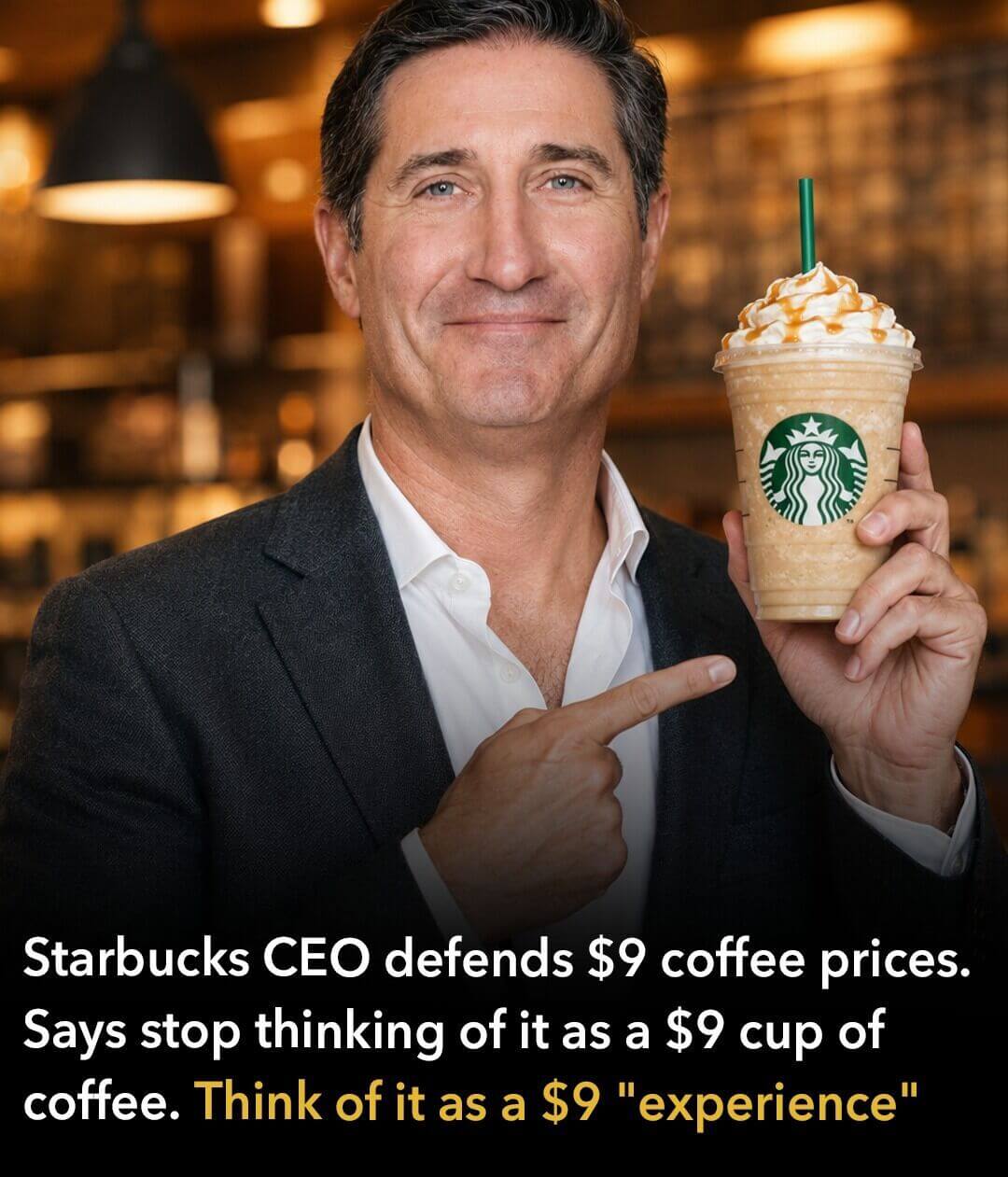
Starbucks CEO Brian Niccol has come under fire for stating that a nine dollar cup of coffee is a “really affordable premium experience.”
I find this is an interesting statement for two reasons.
First, how much of an experience can buying a cup of Starbucks coffee be? Is the experience different between buying a nine dollar coffee and a three dollar coffee? As all Starbucks customers are treated equally regardless of purchase, I would suggest not.
Does a nine dollar coffee taste better? If so, that would be a product experience. As Brian Niccol did not specify what the “experience” involved, I have no idea what he is referring to. But since he never described the uniqueness of the product, I’m sure that wasn’t it.
This brings me to my second reason. Business executives and owners like to throw around the word experience like it’s a magical term that validates their actions. Every business strategy from raising prices to replacing front line staff with AI is rationalized as helping deliver a better experience. However, in most cases customers would question the results.
I believe the term “experience” is best used as an inspirational starting point rather than as a justification for decisions already made.
When companies ask themselves, “what kind of experience do we want to deliver?”, the decisions that follow tend to focus on reaching a single goal. One that can often be seen by customers as an improvement in the transactional journey. This is what creating real customer experience strategies look like.
Alternatively, making decisions based on reducing costs, increasing profits, or creating opportunities rarely manifest into better customer experiences. In most cases the opposite happens.
My advice to Brian Niccol. Adding the word “experience” to a strategy does not make it one that will benefit the customer. Perhaps instead, leave the word out, focus on the outcome, and let the customer decide if there’s an experience worth celebrating.